- Popular Products
- Products
- About POWCODE
- Catalogue
- Resource
- Contact Us

Engine Parts Sourcing Is Not About Finding the Biggest Supplier, But the Right Supply Chain
Jun. 02, 2026
Share:
In engine parts sourcing, the real challenge is not finding a supplier.
The real challenge is understanding what kind of problem each supplier can actually solve.
In the French automotive aftermarket, there are large distributors, multi-brand platforms, technical service suppliers, and specialized engine parts suppliers. Companies such as Alliance Automotive Group France, Autodistribution, LKQ Benelux-France, and EXADIS already have a strong presence in professional repair channels and spare parts distribution.
But for B2B buyers working with engine repair parts, the supply chain should not be judged only by size.
Engine parts are not the same as ordinary auto parts.
For brake pads, filters, chassis parts, and many sensors, the purchasing process is usually more direct. Once the vehicle model, specification, brand, and price are confirmed, the order is often straightforward.
Engine parts are different.
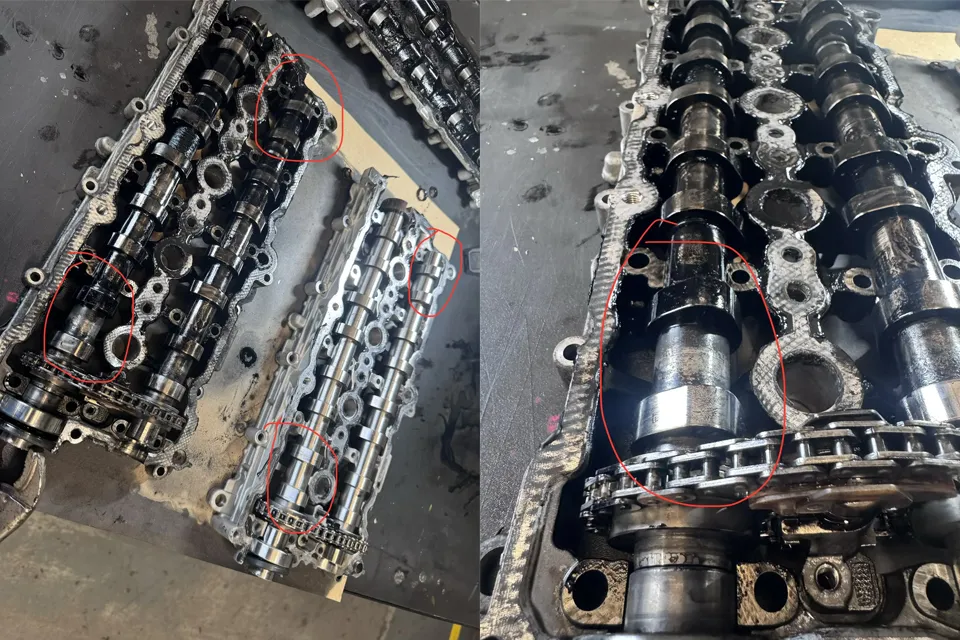
A wrong camshaft can delay a workshop’s repair job.
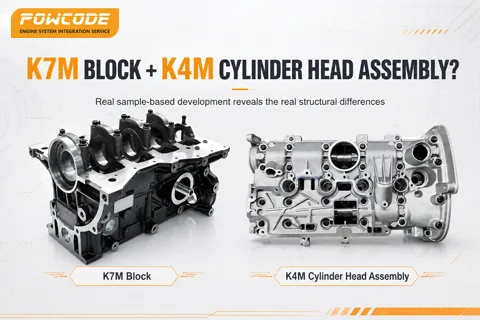
A mismatched cylinder head gasket can affect the whole engine assembly.
An incomplete timing kit can force the customer to place another order.
A wrong cylinder head, piston, or crankshaft can create a loss far beyond the price of the part itself.
That is why engine parts sourcing is not a catalogue game.
It depends on matching accuracy, repair combination logic, stable supply, and whether the supplier truly understands the repair scenario.

The French automotive aftermarket is large and mature. In 2024, the French automotive aftermarket was worth around €32 billion, with mechanical maintenance accounting for about €15.8 billion. France had more than 41.6 million cars on the road, with an average vehicle age of around 11.9 years. Independent aftermarket channels accounted for about 71% of workshop admissions.
These numbers show that repair demand in France is stable.
But for B2B buyers, a large market does not mean simple sourcing.
France already has a mature distribution system. Companies such as AAG France, Autodistribution, and LKQ Benelux-France are useful for broad product coverage, local delivery, multi-brand sourcing, and daily workshop supply.
These companies are important.
But they mainly solve the problem of breadth.
Engine parts sourcing often requires depth.
For example:
Does this OE number match the correct engine version?
Is the same engine fully interchangeable across different vehicle applications?
Is the customer doing a basic repair or a full rebuild?
Should a single part be supplied together with related components?
Should a wholesaler stock individual parts or repair combinations?
Does the local customer prefer a low-cost solution or a more complete repair solution?
These questions cannot be answered by catalogue size alone.

The value of large distributors is clear.
They are suitable for:
 daily workshop supply
multi-brand auto parts sourcing
common mechanical and maintenance parts
local fast delivery
broad catalogue coverage
fast-moving stock turnover
Alliance Automotive Group France is strong in distribution scale and network coverage in France.
Autodistribution has strong local recognition and a mature independent spare parts distribution base.
LKQ Benelux-France has regional supply coverage across France, Belgium, and the Netherlands.
These companies are useful for regular repair supply.
If a workshop needs filters, brake parts, cooling components, sensors, chassis parts, or common maintenance products, large distributors are often the most convenient choice.
But if the buyer is an engine parts wholesaler, importer, or engine rebuilder, the purchasing logic is different.
They are not only asking whether one item is available today.
They need to think about questions such as:
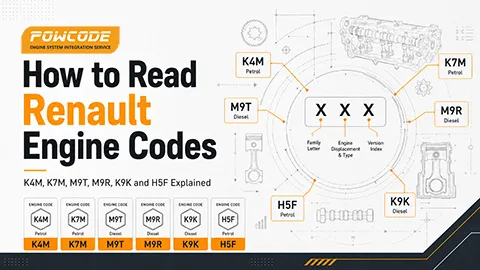
Which parts are worth stocking long-term for DV5, DV6, DW10, M9R, and M9T engine families?
Should camshafts be combined with timing-related components?
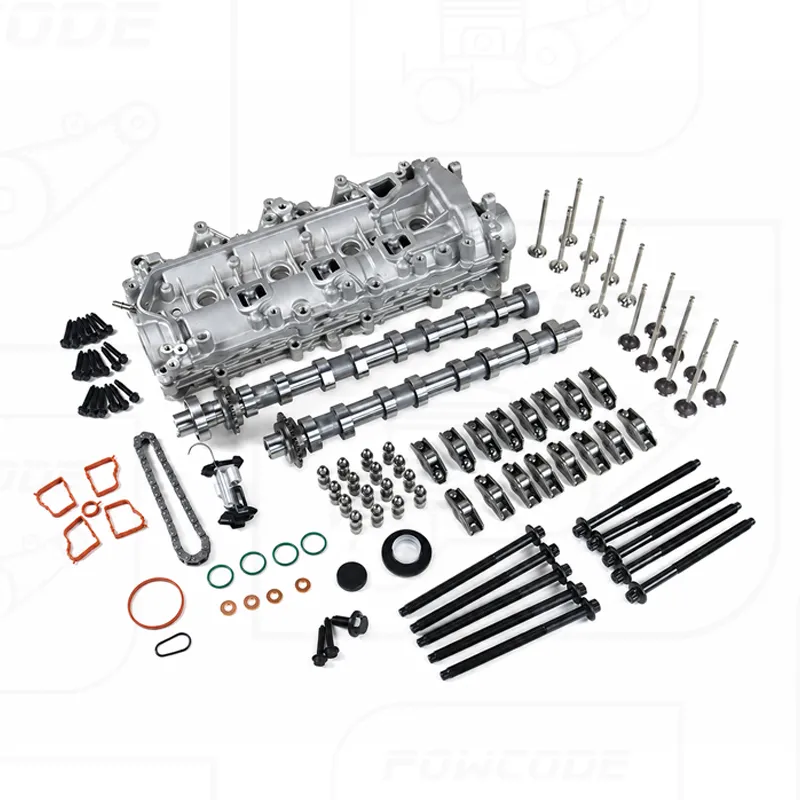
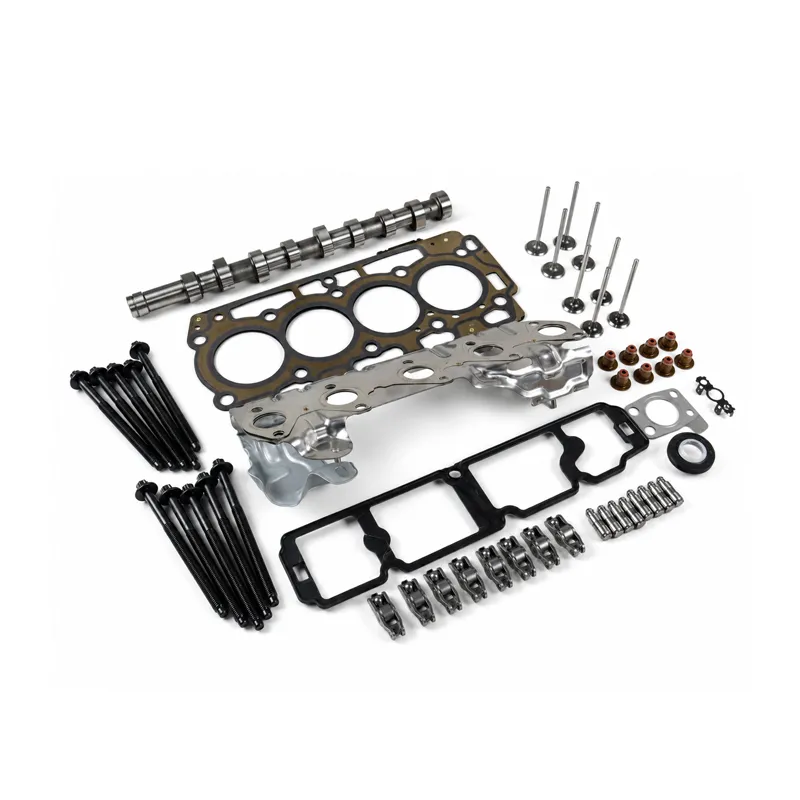
Should cylinder heads be supplied with valves, gasket sets, and cylinder head bolts?
Should pistons be supplied together with piston rings?
What repair kit level should be offered to customers with different budgets?
Large distributors can supply many products, but they may not always build flexible repair combinations around a specific engine repair scenario.
Large distributors are useful as a basic supply chain.
But deeper engine parts sourcing often needs support from a specialized supplier.

Besides large distributors, the French market also includes platforms and distribution networks such as EXADIS, DASIR, Alternative Autoparts, and APPRAU.
These companies are better understood as supply chain nodes.
Their value lies in:
helping professional buyers access multi-brand parts
supporting stockists and wholesalers with replenishment
improving parts distribution efficiency
serving regional customers and independent distributors
solving the problem of availability and delivery flow
These platforms are also important in the French market.
But they mainly solve distribution and replenishment problems. They may not solve the deeper question of how an engine repair solution should be built.
For example, if a customer needs a cylinder head repair, the real question may not simply be whether the cylinder head is available.
The buyer may also need to know:
Should valves be included?
Should a cylinder head gasket be included?
Should cylinder head bolts be stocked together?
Should a full gasket set be prepared?
Is the customer doing a basic repair or a rebuild solution?
Multi-brand platforms can help buyers find and replenish parts, but they may not go deep into this kind of repair combination logic.
That is the difference between platform-based supply and specialized engine parts supply.

The French market also has suppliers with a stronger technical service position, such as IDLP Groupe.
Their value lies in technical support, testing, repair, training, and complex system diagnostics. For diesel systems, engine management, injection systems, and diagnostic repair, these suppliers are meaningful.
If the customer is dealing with injectors, diesel pumps, engine management, diagnostics, or technical training, this type of supplier is useful.
But if the customer mainly needs mechanical engine parts such as:
 camshafts
 crankshafts
cylinder heads
cylinder blocks
pistons
piston rings
timing kits
cylinder head gaskets
gasket kits
Then technical service suppliers and specialized engine parts suppliers play different roles.
Technical suppliers are stronger in complex repair support.
Specialized engine parts suppliers are stronger in mechanical engine parts combinations and long-term parts supply.

Engine parts are not isolated products.
When a customer asks for a camshaft, the real issue may involve timing components.
When a customer asks for a cylinder head, the real repair may also require valves, gaskets, bolts, and sealing parts.
When a customer asks for pistons, the buyer may also need to consider piston rings, cylinder block condition, and repair level.
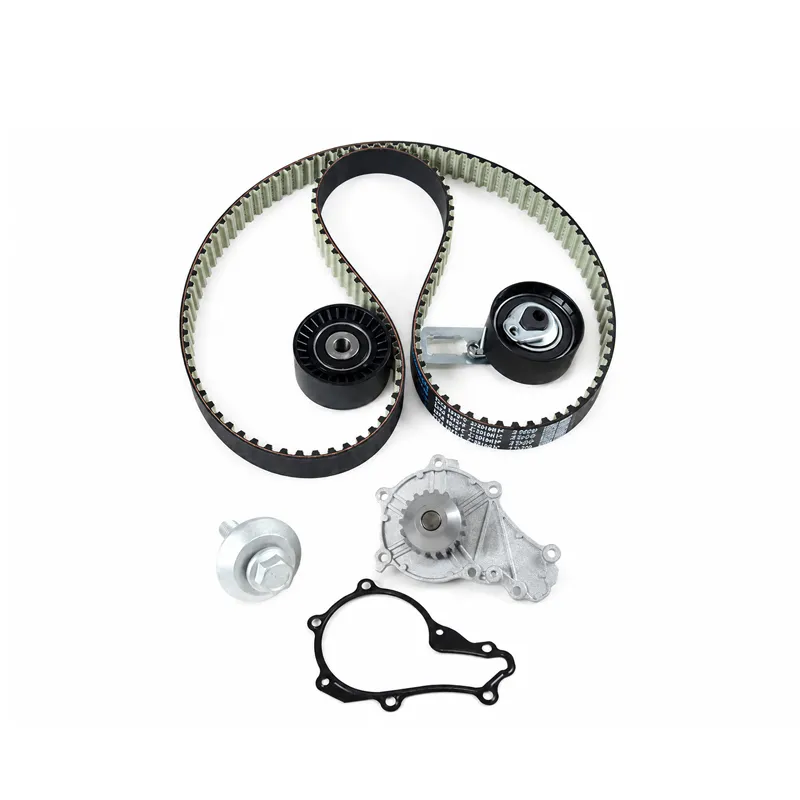
When a customer asks for a timing kit, the repair may also involve a water pump, tensioner, guide rail, and other related parts.
If a supplier only quotes single parts one by one, the order may look simple at the beginning, but it can easily lead to missing parts, repeated orders, wrong matching, and extra communication later.
For B2B customers, sourcing efficiency is not decided when the order is placed.
It is decided when the customer receives the goods and can use them smoothly.
That is why engine parts supply increasingly requires repair-scenario thinking.

The French market naturally involves Peugeot, Citroën, and Renault.
At the same time, some Ford and Land Rover diesel engine applications are closely connected with French engine platforms.
For B2B buyers working with French car engine parts, sourcing is usually not built around one single item. It is built around engine families and long-term supply planning.
Common engine families include:
 DV5
DV5
DV6
DW10
M9R
M9T
These engine families may involve:
camshafts
crankshafts
cylinder heads
cylinder blocks
pistons
piston rings
timing chain kits
timing belt kits
gasket kits
valves
oil pumps
water pumps
EGR valves
turbochargers
cooling and lubrication system parts
If a supplier simply lists these parts in a catalogue, the buyer still has to carry much of the judgment.
A specialized supplier adds value by connecting products with engine families, OE numbers, repair levels, and combination logic.

POWCODE is not a local French distributor, and it should not be understood as a platform covering every auto parts category.
POWCODE’s position is simpler:
Focused French car engine system parts for B2B customers.
POWCODE mainly supports Peugeot, Citroën, Renault, Ford, Land Rover, and related engine applications by supplying engine repair parts and related combinations.
POWCODE’s value is not to replace large distribution systems such as AAG France, Autodistribution, or LKQ.
Those companies solve local channels, broad categories, and daily repair supply.
POWCODE solves a different problem:
When a customer needs more focused French car engine parts, more accurate OE number matching, more flexible repair combinations, and kit solutions that fit wholesale and rebuilding scenarios, who can support them?
That is where POWCODE fits.

POWCODE’s product direction includes:
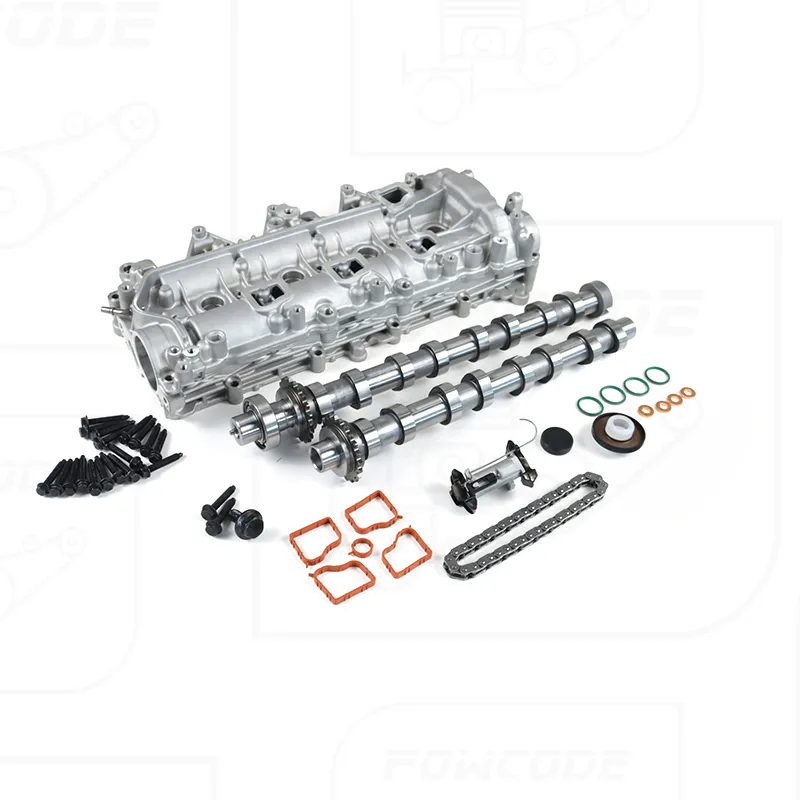
camshafts and camshaft kits
crankshafts and related parts
cylinder heads
cylinder blocks
pistons and piston rings
timing chain kits
timing belt kits
gasket kits
valves and valve train components
oil pumps
water pumps
EGR valves
turbochargers
engine repair parts for DV5, DV6, DW10, M9R, M9T and related engine families
But the supply method matters more than the product list.
POWCODE does not only want customers to order parts one by one.
The goal is to help customers build repair combinations that better fit their market needs.
For example:
camshaft repair combinations
timing system repair combinations
cylinder head repair combinations
gasket kit combinations
piston and piston ring combinations
water pump, oil pump, and sealing part combinations
more complete engine repair solutions
These combinations are not fixed templates. They can be adjusted according to engine model, OE number, repair level, customer budget, and market demand.

If the customer is a local French workshop with daily repair demand, a large distributor is usually more convenient.
If the customer is a stockist or wholesaler needing multi-brand replenishment, multi-brand platforms and B2B distribution networks are useful.
If the customer handles diesel systems, injection systems, or diagnostic repair, technical service suppliers are more suitable.
If the customer works with Peugeot, Citroën, Renault, Ford, or Land Rover engine parts, especially long-term supply, OE matching, repair kits, and wholesale combinations for DV5, DV6, DW10, M9R, and M9T, then a specialized engine parts supplier is more suitable.
This is not a question of replacing one supplier with another.
It is a question of supply chain roles.
Large distributors solve breadth.
Platforms solve flow.
Technical suppliers solve complex repair support.
Specialized engine parts suppliers like POWCODE solve depth and combination.
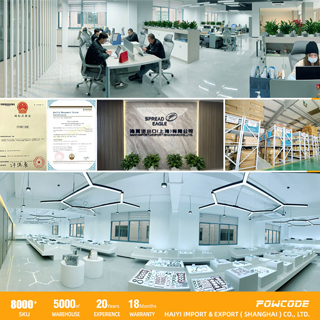
Many suppliers like to say they have a “complete product range.”
But for engine parts buyers, more products do not always mean easier sourcing.
Without clear matching logic, more products can create more judgment pressure for the customer.
A valuable supplier should make decisions easier.
Which parts are suitable for single-item sales?
Which parts are better supplied as combinations?
Which engine families are worth stocking?
Which products are often purchased together?
Which OE numbers are easy to confuse?
What repair kit level fits different customer budgets?
These are the questions an engine parts B2B supplier should help customers answer.
Not simply: “We have stock.”
But rather: “We understand why you need this part, and how it should be used.”
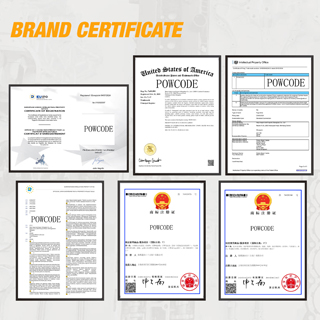
The French market does not lack auto parts distributors.
And professional engine parts buyers do not lack catalogues.
What they need is clearer sourcing judgment.
A catalogue answers whether a part exists.
Professional knowledge answers whether it is correct.
Supply chain capability answers whether it can be supplied consistently.
Combination ability answers whether the customer can use it smoothly.
POWCODE’s direction is to make French car engine parts more focused, repair combinations more flexible, and B2B sourcing clearer.
In engine parts sourcing, the most important question is not who is the biggest supplier or who has the longest catalogue.
The real question is who can help customers reduce mistakes, avoid repeated sourcing, reduce communication, and build stable long-term business.
Latest News

Related Products
 Request Your Custom Quote
Submit your requirements in minutes and get a precise, competitive quote tailored to your needs.